2026-09-27 ·
Sump Pump Maintenance Before Spring Thaw in Western MA
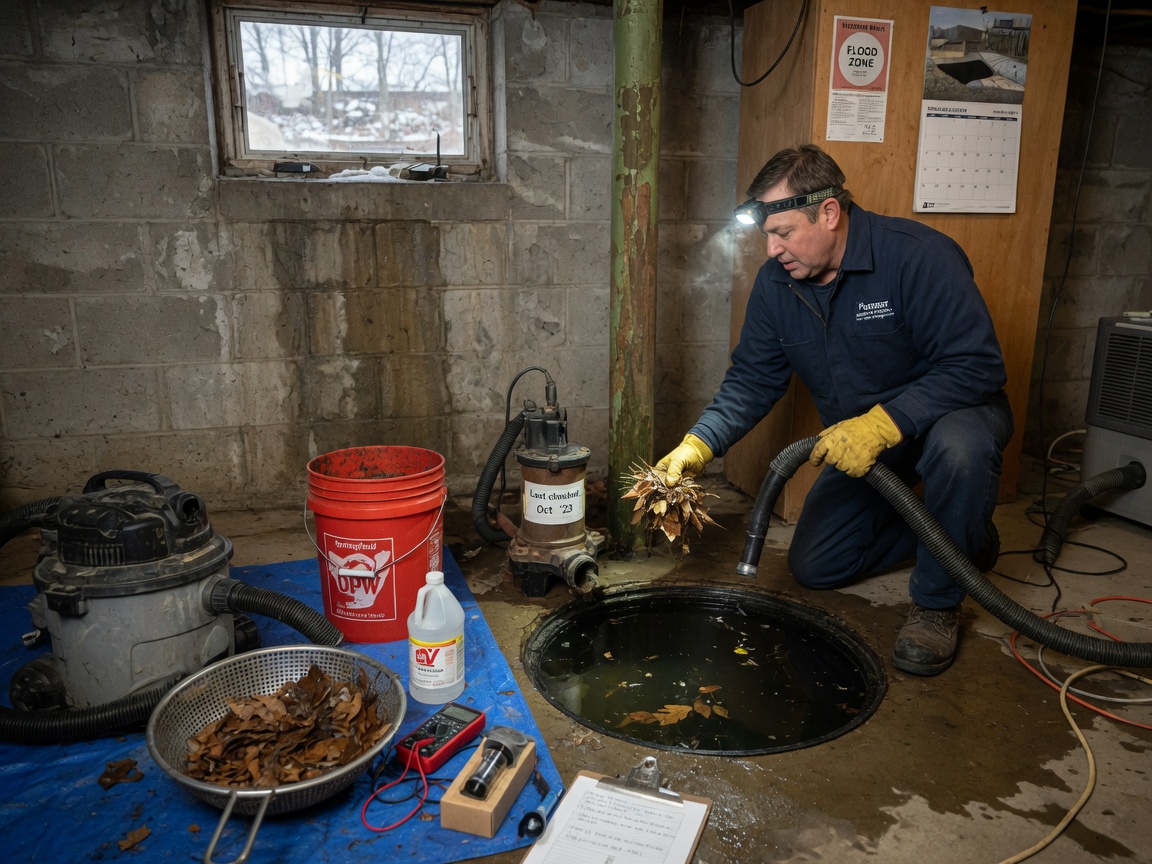
Sump pump maintenance before spring thaw in Western MA starts with testing the unit, clearing debris from the pit, and verifying the discharge line flows freely at least two weeks ahead of warming weather. This timing aligns with the end of cold snaps in the region's humid continental climate, when melting snow and rising groundwater levels increase pressure on basement systems in Springfield.
Local Climate and Housing Factors in Hampden County
Western Massachusetts experiences cold winters that keep groundwater frozen for months before rapid thaws send water toward foundations. Homes in Downtown Springfield, Forest Park, and Sixteen Acres often date back decades with full basements that sit close to the water table. These older structures see more infiltration once snow melts in nearby West Springfield and Chicopee, where similar soil conditions allow runoff to collect quickly. The freeze-thaw cycle stresses discharge pipes that exit above grade, sometimes causing clogs from ice remnants. Checking the system now avoids emergency calls when temperatures climb and rain adds to the melt. Owners in these neighborhoods notice water marks on foundation walls after heavy spring events, a direct result of the area's seasonal patterns rather than isolated failures.
Inspecting the Sump Pit and Float Switch
Begin by removing the cover and looking for sediment buildup that reduces capacity in pits common to Hampden County homes. Shine a light to confirm the float moves freely without debris catching on the arm, a frequent issue after winter when fine silt enters through small cracks. Listen for the pump activating when you lift the float manually, noting any grinding or delayed response that signals worn bearings. In Forest Park properties with older electrical service, verify the outlet provides consistent power without tripped breakers. Clear any standing water with a shop vacuum before reassembly so the next cycle starts clean. These steps reveal problems early, especially in Sixteen Acres where tree roots near foundations can push soil into the pit during thaws.
Clearing the Discharge Line and Testing Flow
Trace the discharge pipe from the pump to its exit point, usually several feet from the foundation, and flush it with a garden hose to remove any ice or sediment left from winter. Ensure the line slopes downward and terminates above the expected high-water mark so spring runoff does not back up into the basement. In areas like Chicopee with heavier clay soils, test flow volume by running the pump briefly and watching how quickly water moves away from the house. Avoid extending the line into low spots that collect meltwater, a common setup error in older Downtown Springfield builds. Reattach any check valve and confirm it seats properly to prevent backflow once the thaw accelerates. This inspection often uncovers cracks that develop from repeated freezing, preventing larger issues when groundwater rises.
When Professional Service Makes Sense
If the pump fails to activate, shows corrosion on connections, or the pit refills rapidly after testing, contact Western MA Service Pros for 24 Hr Dispatch support based in Western Massachusetts. Their technicians handle cases where the unit needs replacement or the electrical supply requires updates common in pre-1970s homes across the county. Readers can also review How to Prevent Frozen Pipes in Western Massachusetts Homes for related winter preparation and Emergency Leak & Burst Pipe Repair if thaw damage appears. For properties in Forest Park, localized drainage adjustments often complement basic maintenance. Completing these checks now keeps basements dry once temperatures rise and snowpack begins to release water into the soil.